One Rainy Evening, One Search Box, and a Playlist That Built Itself
Rain had been drumming against the window for an hour, steady and soft, the kind that turns an ordinary Tuesday into an excuse to stay in. The laptop was open, screen glow mixing with the dim lamp light, and there was a vague idea of listening to something — not a specific song, just a mood. Something warm, maybe a little melancholic, the sort of music that fits a wet street and a cup of tea going cold on the desk.
Arriving at the search box without a plan
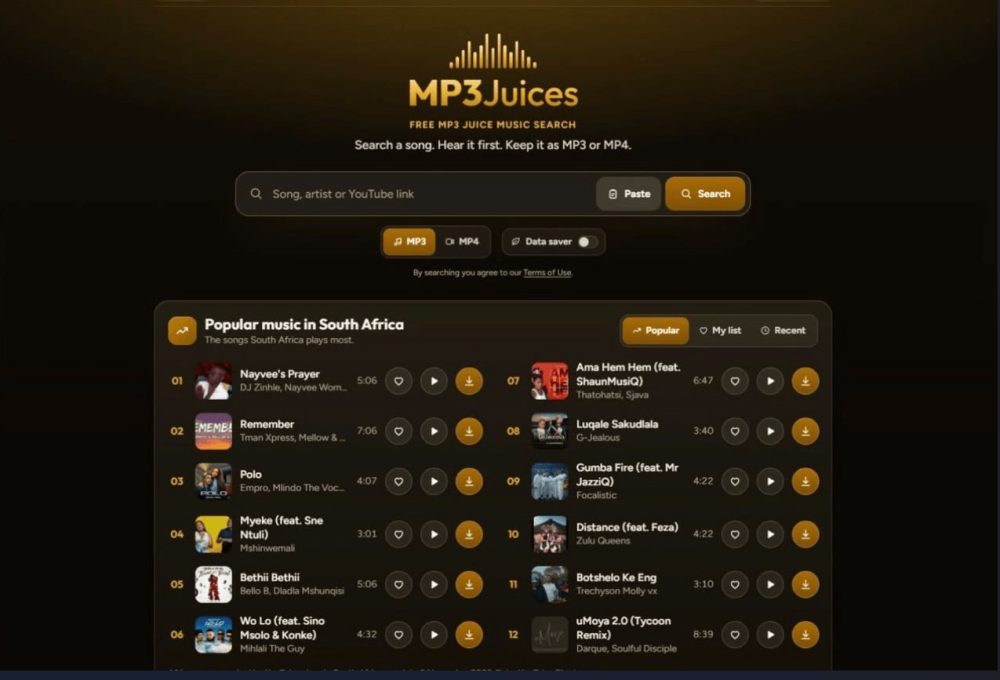
The problem with vague musical moods is that streaming apps often want you to know what you want. Recommendations help, but they tend to circle back to the same familiar ground. So instead of opening an app, the browser tab went to mp3juices.art, a free music search site that had been mentioned in passing weeks ago and then forgotten. No account, no installation, no onboarding screens. Just a search field and the quiet promise of finding a song by name.
That simplicity turned out to be the point. MP3Juices works as a search-first music tool, not a social feed or a recommendation engine. There is no profile to build, no library to curate, no algorithm learning your habits. For an evening like this one, that felt less like a limitation and more like a relief. The site exists to help you find a track, hear it, and take it with you in MP3 or MP4 form.
The rain kept going. The cursor blinked in the search box. The first attempt was a half-remembered lyric, the kind that floats up without a title attached. That is usually where the frustration begins.
Searching by lyric, artist, and instinct
The lyric was wrong, of course. Typed in, it returned a handful of near-misses — songs with similar words but different moods. This is where a search-based tool shows its character. Instead of guessing, the next attempt used the artist’s name, which is a far more reliable anchor. The results appeared as a list of tracks with titles, artist names, and durations, clean enough to scan without squinting.
What made the search feel less mechanical was the surrounding structure. Beyond the main search field, the site organizes music by genre and by artist, so browsing can replace guessing. Genre and artist browsing turn a blank search box into a starting point, especially when the mood is clearer than the song title. A quick look through a genre list surfaced a few names that had slipped out of memory, and the evening’s listening began to take shape.
There is also a charts section, which serves a different purpose. Charts are useful when curiosity is broad rather than specific — what people are listening to right now, rather than what one person half-remembers. Between search, genre browsing, artist pages, and charts, the site covers several ways of arriving at the same destination: a song you actually want to hear.
The half-remembered lyric eventually turned up through an artist search, which is a small victory worth noting. The track was older than expected, quieter than remembered, and exactly right for the weather.
Previewing before committing to a download
Here is where the evening became genuinely useful. Rather than downloading on faith, the site lets you listen first. Previewing a song before downloading avoids the small disappointment of a wrong version — a live recording when you wanted the studio cut, a remix when you wanted the original, a radio edit with an awkward early fade. The preview is not a luxury; it is the difference between a useful download and a wasted file.
That habit of listening first changed the pace of the evening. Instead of collecting files, the session became a slow audition. A song would play, get a nod or a shrug, and only then earn a place in the growing list. The personal list feature made this feel organized without being fussy — a running collection of candidates, each one already heard and approved.
Format choice also came into play. Some tracks were wanted as audio only, straightforward MP3 files for a phone or a car stereo. Others — a couple of live performances with visual appeal — made more sense as MP4. Having both options in one place meant no jumping between tools, no separate video downloader, no conversion step in the middle of a rainy evening.
One practical detail stood out: the data saver mode. On a metered connection, downloading several files can eat through a plan quickly. A mode that reduces data use is the kind of feature you notice only when you need it, and then appreciate quietly.
Saving the evening as a playlist
By the time the rain eased, the personal list had grown into something resembling a playlist — not curated with any grand theme, but coherent in the way that a single evening’s mood is coherent. The songs shared a tempo, a warmth, a slight melancholy. None of them had been planned. Each one had been searched for, previewed, and kept or discarded in turn.
That is the quiet appeal of a tool built around searching rather than recommending. The playlist built itself out of small decisions, not an algorithm’s guess about what comes next. The result felt more personal because it was more deliberate, even though the process was casual.
There are trade-offs worth being honest about. A search-based site depends on knowing roughly what you are looking for — an artist, a title, a genre, a chart entry. It will not surprise you the way a well-tuned recommendation feed sometimes can. It also asks users to be thoughtful about what they download and how they use it, respecting the rights of the people who made the music. Used with that in mind, it is a practical companion for listeners who like to hear a song before keeping it.
When the laptop finally closed, the window was still streaked with rain and the tea was definitely cold. But the evening had produced something small and lasting: a playlist assembled one search at a time, each track heard before it was saved. Some nights are for discovering music by accident. This one was for finding it on purpose, with a search box, a preview button, and a little patience.