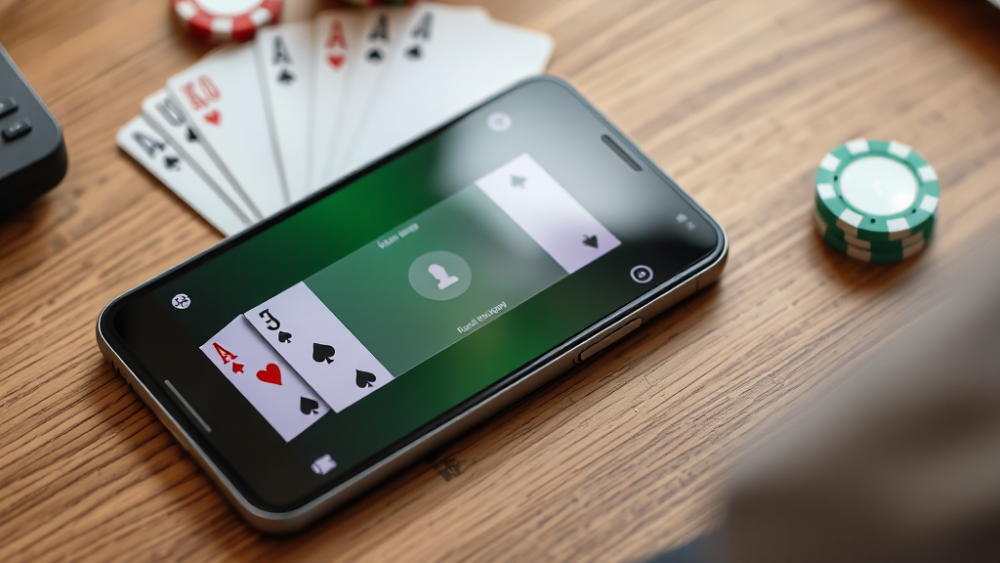
Online Rummy Game: A Practical Guide to Rules, Apps and Smart Play
Card games have a way of rewarding patience, memory and planning, and few formats do that as elegantly as rummy. An Online Rummy Game takes that classic experience and moves it onto a phone screen, where you can arrange melds, track discards and finish a hand without ever shuffling a physical deck. For newcomers, the appeal is simple: the rules are easy to learn but deep enough to keep improving. For experienced players, the appeal is the rhythm — draw, decide, discard, and repeat until someone declares.
This guide covers how the game works, what to look for in an app, how to build better habits, and where an editorial directory like All Teen Patti APKs fits into the picture when you are comparing card-style Android apps.
What an Online Rummy Game Actually Is
Rummy is a matching and sequencing game. Players receive a set number of cards and try to organise them into valid combinations — either sets of equal-ranked cards or runs of consecutive cards in the same suit. In most digital versions, you draw one card at the start of your turn and discard one card at the end, gradually shaping your hand toward a completed arrangement.
The online version keeps that core loop intact but changes the surrounding experience. A digital table handles the dealing, the timer, the discard pile and the scorekeeping. You focus on decisions rather than logistics. That shift matters more than it sounds: when the mechanics are automated, the game becomes almost entirely about reading your hand and predicting what your opponents are holding.
Most apps also support multiple formats. Points rummy and pool rummy are the two most common structures, and they reward different instincts. Points rummy tends to favour players who can minimise losses over many hands, while pool rummy rewards consistency because a fixed number of points is deducted each round. Choosing a format that matches your temperament is often more useful than chasing a single “best” mode.
Core Rules You Should Know Before You Start
Rules vary slightly between apps, so always read the in-app instructions before your first hand. That said, a few principles are nearly universal.
The deal. Depending on the format, players typically receive 13 cards, with a joker or wild card designated for the round. In some variants, a printed joker and a randomly selected wild joker both exist, which gives you more flexibility when forming melds.
Valid melds. A set is three or four cards of the same rank in different suits. A run is three or more consecutive cards of the same suit. A pure run contains no joker; an impure run uses at least one joker to fill a gap. Most rule sets require at least one pure run before you can declare, so plan for that early rather than late.
The turn. You draw from either the closed deck or the open discard pile, then discard one card. The discard pile is public information, and experienced players treat it as a running record of what has already been thrown away.
Declaring. When your hand is fully arranged into valid melds, you declare. If the arrangement is valid, you win the hand. If it is not, you take a penalty. This is why a rushed declaration is one of the most common beginner mistakes.
Scoring. Unmatched cards carry point values, face cards usually cost more, and jokers often carry a fixed penalty. Lower scores are better in points formats. Understanding the scoring table changes how you discard — sometimes it is smarter to hold a high-value card that fits your plan than to dump it for a low-value card that does not.
How to Choose a Good Rummy App
The app store is crowded, and listings often look more similar than the products actually are. A structured comparison saves time. When you evaluate a rummy app, look at these dimensions:
Rule transparency. A well-built app explains its variant clearly, including joker rules, declaration requirements and penalty calculations. If the rules are vague, the experience will feel arbitrary.
Interface clarity. Card games depend on quick visual parsing. You should be able to see your hand, the discard pile and the timer without squinting. Drag-and-drop arrangement, automatic sorting and clear meld grouping are genuinely useful features, not decoration.
Table speed. Some players prefer a relaxed pace; others want fast rounds. Match the app to your preference rather than fighting the timer every turn.
Practice options. A practice mode or low-stakes table lets you learn a new variant without pressure. This is especially valuable when you move between points and pool formats.
Update history. Apps that receive regular updates tend to fix bugs and adjust rule details. A listing that has not changed in years is a warning sign.
This is where an editorial directory earns its place. All Teen Patti APKs is an app discovery and comparison resource for Teen Patti and card-style Android apps, offering rankings, app details and guides rather than hosting or developing the apps themselves. If you are comparing rummy and Teen Patti apps side by side, a directory that lays out requirements and install routes in one place is more efficient than opening a dozen store pages.
Building Better Habits at the Table
Skill in rummy develops slowly, and most of the improvement comes from a handful of repeatable habits.
Watch the discard pile. Every discarded card tells you something. If three sevens have been thrown, the fourth is less likely to help an opponent — and less likely to be safe for you to hold. Tracking discards is the single highest-return habit in the game.
Plan two turns ahead. Beginners play the card in front of them. Stronger players ask what their hand will look like after the next draw. That small shift in thinking prevents you from breaking a run to chase a card you will not be able to use.
Do not overuse jokers. Jokers are powerful, but they are also expensive when you lose. Using a joker to complete a marginal meld can cost more than it saves. Keep them for hands where they unlock a genuine improvement.
Declare only when certain. A failed declaration is worse than a slow one. Recheck your melds before you commit, particularly the pure run requirement.
Review your losses. After a hand goes badly, ask which decision caused it. Usually there is one discard you would take back. That kind of review is more instructive than playing ten more hands on autopilot.
Rummy vs Teen Patti: Different Skills, Same Card Family
Players who enjoy rummy often explore Teen Patti as well, and the two games sit at opposite ends of the card-game spectrum. Rummy is a game of construction and gradual improvement. Teen Patti is a game of incomplete information and quick judgement, where each player holds a small number of cards and decisions happen fast.
Because both games live in the same app ecosystem, comparison is natural. A directory that catalogues card-style Android apps makes that comparison easier, since you can review app details, requirements and install routes without bouncing between unrelated sources. If you are deciding where to spend your time, look at which game suits your attention span: rummy rewards slow, deliberate thinking, while Teen Patti rewards decisiveness.
Common Mistakes and How to Avoid Them
Ignoring the variant rules. Points and pool rummy are not interchangeable. Learn the scoring model before you play seriously.
Chasing a single meld. If a run is not coming together after several draws, pivot. Flexibility beats stubbornness.
Discarding carelessly. The card you throw away is information you give away. Consider what it tells the table.
Playing tired. Rummy is a concentration game. Fatigue shows up as missed discards and broken melds.
Skipping practice modes. If an app offers a low-pressure table, use it when learning a new variant rather than jumping straight into a competitive one.
Frequently Asked Questions
Is an online rummy game difficult to learn?
The basic rules take a few minutes to understand: draw a card, form sets and runs, discard, and declare when your hand is complete. The difficulty comes later, when you start tracking discards and planning ahead. Most players feel comfortable after a handful of practice hands.
What is the difference between points rummy and pool rummy?
Points rummy ends when a player reaches a set score threshold, and lower scores are better. Pool rummy runs for a fixed number of rounds and deducts a set number of points each round, so consistency matters more than winning individual hands.
Do I need a pure run to declare?
In most standard rule sets, yes. At least one meld must be a pure run — consecutive cards of the same suit with no joker. Always confirm the specific requirement in the app you are using, since variants differ.
How do I compare rummy apps before installing one?
Check rule transparency, interface clarity, table speed, practice options and update history. Editorial directories that catalogue card-style Android apps can help you review app details and requirements in one place instead of opening many separate store listings.
Can I improve at rummy without playing for long sessions?
Yes. Short, focused sessions with a review of your losses tend to be more effective than long autopilot sessions. Tracking the discard pile and planning two turns ahead are habits you can practise in a few hands.
Final Thoughts
An online rummy game is a rare thing in mobile gaming: a format that is quick to start and slow to master. The rules fit on a single screen, but the decisions behind them keep generating new situations. Whether you are drawn to points rummy for its strategic patience or pool rummy for its steady rhythm, the path to improvement looks the same — learn the variant, watch the discard pile, and declare only when you are sure.
If you are still deciding which app deserves a place on your phone, take a few minutes to compare rather than install on impulse. A clear listing, an honest description of requirements, and a straightforward install route will save you more time than any single feature. Start with the basics, play a few practice hands, and let the game teach you the rest.